Farm succession planning for rural businesses and families
Farm succession planning is about more than passing assets from one generation to the next. It's also about ensuring the farm business remains profitable, sustainable and viable for generations to come, while protecting its long-term future.
Effective rural business succession planning considers both ownership and inheritance tax, as well as the people involved and their ambitions, financial needs and long-term objectives.
Changes to Agricultural Property Relief and Business Property Relief introduced in April 2026 have prompted many farming families to review their arrangements. Ultimately, successful succession planning is about creating a clear and workable plan for the future of the farm and business.
Why agriculture succession planning matters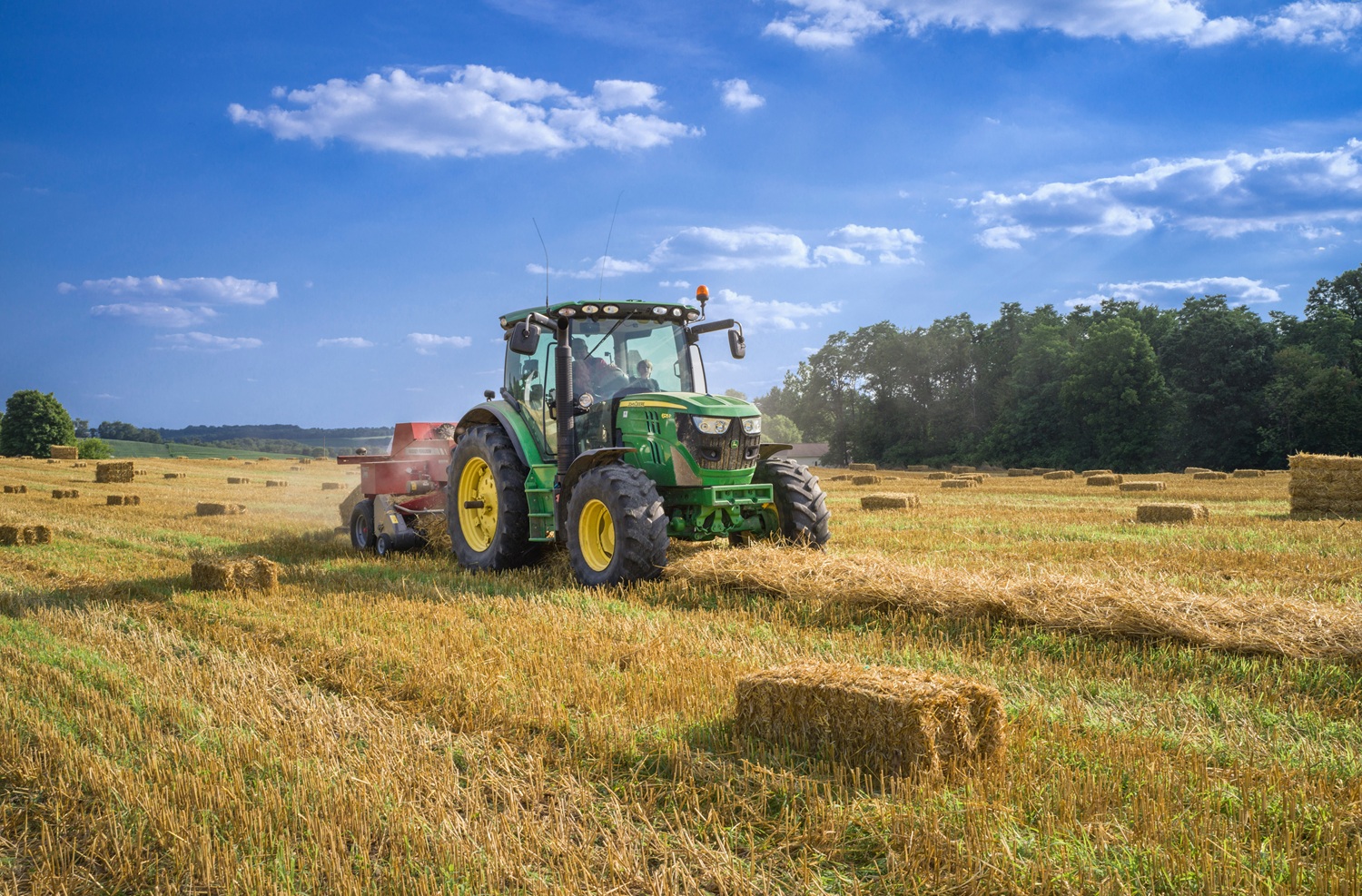
Effective planning creates a balance between family objectives and commercial realities, supporting both the business and family with greater clarity.
A well-structured plan is necessary for answering the important questions. Without this, farms and rural businesses can face uncertainty, financial pressures and family disputes.
These questions include:
- Who will own the farm in the future?
- Who will manage and operate the business?
- Are assets held by the right people?
- Is the current business structure still appropriate?
- Have family expectations been discussed openly?
A practical approach to farm succession
Every family farm and business is different, but effective farm business succession planning may involve:
- Open discussions between family members
- Identifying individual and shared objectives
- Reviewing the ownership of land, property, machinery, livestock and investments
- Assessing whether existing business and ownership structures remain appropriate
- Considering tax implications with support from specialist tax advisers
- Planning for retirement, future income requirements and potential care costs
- Considering unforeseen circumstances such as illness, death, divorce or financial difficulties
- Documenting agreed arrangements and reviewing the plan regularly
Starting these conversations early gives families more time to explore the available options, address potential issues and make informed decisions about the future of the business.
Planning for the long-term future of the farm
A fair outcome will not necessarily mean an equal division of assets and occupation, and the elements of ownership and management do not always need to follow the same path. Successful family farm succession planning is built around the long-term sustainability of both the business and the family.
A clear succession strategy should support the ongoing viability and financial resilience of the farming business, preserve the long-term value and stewardship of rural assets, while creating opportunities for the next generation. Balancing these priorities can help families reach a practical outcome that reflects both their family circumstances and the commercial needs of the business.
How Newton LDP can help
Newton LDP advises farmers, landowners and rural business owners on succession planning.
Our experienced rural and agribusiness team provides practical, independent advice and works closely with accountants, solicitors and tax specialists to develop a succession strategy tailored to the family and the business.
Our role is to consider the practical property and business implications of succession, including how land and assets are owned, occupied and used, the future requirements of those entering or leaving the business, and any opportunities or constraints that may affect the farm’s long-term plans.
 Our services include:
- Reviewing ownership and business structures of a farm
- Assessing whether existing ownership and occupation arrangements are still relevant
- Reviewing potential Inheritance Tax exposure in collaboration with specialist tax advisers
- Facilitating succession discussions between family members
- Considering the practical implications of gifting, restructuring and asset transfer options
- Coordinating with professional advisers to help implement agreed arrangements
We understand that succession planning has to be as focused on people as it is about the land, assets or business structure. Our focus is to support families in developing these clear plans, that reflect their objectives and supports the longevity of the business.
To discuss succession planning for your farm, estate or rural business, contact Newton LDP’s rural and agribusiness team.
Contact our rural succession planning experts
Our rural succession planning experts
Will Young

Bringing over 20 years of industry expertise, Will leads the rural team at Newton as director. With over two decades of experience, he specialises in land management, tax planning, valuations, development opportunities and rural and agricultural agency. Will is also a trustee and chairman of the Blaston and District Agricultural Show Society.
Charlotte Gore

Charlotte serves as director of agribusiness, advising clients on strategic business reviews, grant funding, diversification and farm agreements. Combining a personal farming background with strong expertise in financial accounts and business analysis, she expertly bridges the gap between daily farm operations and strategic planning.
Richard Sanders

Richard is our rural consultant focused on land use optimisation, succession planning, business restructuring and sustainable practices like carbon accounting and regenerative farming. With a strong family farming background, he has taken an active role in many local farming organisations such as the National Farmers Union and Royal Agricultural Benevolent Institution.
Louise Duffin

As associate director, Louise combines over two decades of professional experience with a lifelong connection to the countryside. Raised on a farm and still actively involved in the industry, she brings a deep, personal understanding of the challenges facing land and property owners. Her background underpins her client-focused approach to property management, with expertise in landlord and tenant matters.